
Cut Maintenance Costs with Smart Strategies
Managing properties efficiently means keeping an eye on expenses. You want to reduce maintenance expenses without sacrificing quality or safety. It’s not just about saving money; it’s about making your property management smoother and more predictable. I’ve learned that smart strategies can transform how you handle maintenance, turning costly surprises into manageable tasks. Let’s dive into practical ways to cut costs and keep your properties in top shape.
Why You Should Focus on Reducing Maintenance Expenses
Maintenance costs can quickly spiral out of control if you’re reactive instead of proactive. When you wait for things to break, you pay more for emergency repairs and replacements. Instead, focus on planned maintenance. This approach saves money and extends the life of your assets.
For example, regular inspections of plumbing and electrical systems catch small issues before they become expensive problems. Scheduling routine cleaning and servicing of HVAC systems keeps them running efficiently, reducing energy bills and costly breakdowns.
Key benefits of reducing maintenance expenses:
Lower monthly levies for owners
Fewer emergency repairs
Longer lifespan for equipment and infrastructure
Better budgeting and financial planning
By adopting a proactive mindset, you gain control over your maintenance budget and avoid unexpected costs.

Practical Steps to Reduce Maintenance Expenses
Start with a clear maintenance plan. This plan should include:
Regular Inspections
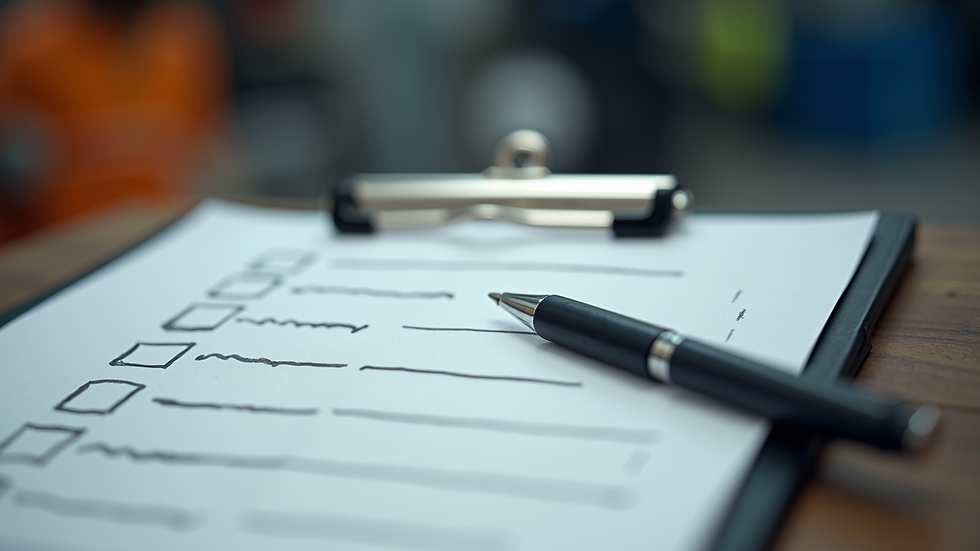
Schedule inspections for all critical systems. Use checklists to ensure nothing is missed. For example, inspect roofs, gutters, plumbing, and electrical wiring every six months.
Preventive Maintenance
Replace worn parts before they fail. Lubricate moving parts, clean filters, and tighten connections regularly.
Use Technology
Implement software to track maintenance schedules and costs. This helps you spot trends and plan better.
Train Your Team
Educate your maintenance staff on best practices. Well-trained staff can identify issues early and perform repairs correctly the first time.
Negotiate with Suppliers
Build relationships with trusted suppliers and contractors. Negotiate bulk discounts or service contracts to reduce costs.
Energy Efficiency Upgrades
Invest in energy-saving equipment like LED lighting and smart thermostats. These reduce utility bills and maintenance needs.
Document Everything
Keep detailed records of all maintenance activities. This helps with budgeting and identifying recurring problems.
By following these steps, you create a system that minimizes costly surprises and keeps your properties running smoothly.
How to Implement a Maintenance Schedule That Works
A maintenance schedule is your roadmap to cost control. Here’s how to build one that delivers results:
List all assets: Include everything from elevators to fire extinguishers.
Determine maintenance frequency: Some items need monthly checks, others yearly.
Assign responsibilities: Decide who will perform each task.
Set reminders: Use digital calendars or maintenance software.
Review and adjust: Regularly update the schedule based on findings and feedback.
For example, a sectional title scheme might schedule elevator inspections monthly, fire safety equipment checks quarterly, and roof inspections twice a year. This ensures compliance and prevents costly repairs.
Remember, a good schedule is flexible. It adapts to new information and changing conditions.
The Role of Technology in Maintenance Cost Reduction
Technology is a game-changer. It helps you track, predict, and manage maintenance tasks efficiently. Here’s what to consider:
Maintenance Management Software: Tools like CMMS (Computerized Maintenance Management Systems) automate scheduling and record-keeping.
IoT Sensors: These devices monitor equipment health in real-time, alerting you to issues before they escalate.
Mobile Apps: Allow your team to update tasks and report problems on the go.
Data Analytics: Analyze maintenance data to identify patterns and optimize spending.
Using technology not only saves time but also reduces errors and improves communication. It’s a smart investment that pays off quickly.
For those looking to dive deeper into maintenance cost reduction, Rocksolid offers tailored solutions that help property managers and body corporates streamline their maintenance processes and cut costs effectively.
Tips for Managing Contractors and Service Providers
Outsourcing maintenance work is common, but managing contractors well is crucial to controlling costs. Here’s how to do it right:
Get multiple quotes: Don’t settle for the first offer. Compare prices and services.
Check references: Ensure contractors have a good track record.
Set clear expectations: Define the scope, deadlines, and quality standards upfront.
Use contracts: Protect yourself with written agreements.
Monitor performance: Regularly review work quality and timeliness.
Build long-term relationships: Reliable contractors often offer better rates and priority service.
By managing contractors carefully, you avoid overpaying and ensure high-quality work.
Final Thoughts on Cutting Maintenance Costs
Reducing maintenance expenses is not about cutting corners. It’s about being smart, proactive, and organized. With the right strategies, you can keep your properties safe, functional, and attractive without breaking the bank.
Start by planning, then use technology and good management practices to stay on top of maintenance. Remember, every small saving adds up to big benefits over time.
Take control today and transform your maintenance approach into a cost-effective, smooth-running process!


Comments